



HDB Upgrader Mortgage Guide: Step-by-step Tips & Tools for Financing Your Condo or EC Move
So you’ve hit your MOP, built up some equity in your HDB flat, and now you’re eyeing that shiny new condo or Executive Condominium. Exciting times ahead! But here’s the thing, financing an upgrade isn’t as straightforward as your first HDB purchase. The numbers are bigger, the rules are different, and one wrong move could cost you tens of thousands of dollars.
Don’t worry though. This guide breaks down everything you need to know about financing your HDB-to-condo or EC move in 2026, step by step, with real numbers and actionable tips you can use today.
Step 1: Check Your Loan Eligibility First
Before you start browsing ShowFlat schedules, you need to know exactly how much you can borrow. Your borrowing power depends on one critical factor: will this condo or EC be your first or second property at the point of purchase?
📥 Free HDB Upgrade Mortgage Cheatsheet
Get 5 insider tips to save $10k+ on your condo loan.
Looking for the best deal on this? You can compare cost per application on SingSaver.
Disclosure: NearMe.SG may earn a commission from some links on this page. This does not affect our editorial recommendations.
Compare now →Here’s where it gets interesting:
| Scenario | Loan-to-Value (LTV) | Down Payment Required |
|---|---|---|
| First property (HDB fully sold/paid) | Up to 75% | Minimum 25% |
| Second property (buying before selling HDB) | Up to 45% | Minimum 55% |
Picture this: you’re eyeing a $1.5 million condo. If you sell your HDB first, you need $375,000 upfront. Buy before selling? That jumps to a whopping $825,000. That’s a $450,000 difference just from timing alone.
Pro tip: Get mortgage pre-approval from at least 2-3 banks before you start viewing properties. This confirms your actual borrowing limit and prevents nasty surprises down the road.
Step 2: Understand the TDSR Cap (This Is Non-Negotiable)
Even if you qualify for a high LTV, your income determines the final loan amount. Singapore’s Total Debt Servicing Ratio (TDSR) caps your total monthly debt obligations at 55% of your gross monthly income.
This includes:
- Your new mortgage payment
- Existing car loans
- Credit card minimum payments
- Any other outstanding loans
Let’s talk numbers. Say your household income is $12,000/month. Your maximum allowable debt servicing is $6,600. If you’re already paying $1,500 for a car loan, only $5,100 remains for your new mortgage, which significantly limits your borrowing power.

Quick affordability reference:
| Monthly Household Income | Estimated Affordable Property Price |
|---|---|
| $6,000 | $450,000–$500,000 |
| $10,000 | $700,000–$800,000 |
| $15,000 | $1,000,000–$1,200,000 |
Golden rule: Keep your mortgage payment under 30% of household income for long-term financial comfort. Just because you can borrow more doesn’t mean you should.
Step 3: Map Out Your Upfront Costs
When it comes to upgrading, the down payment is just the beginning. Here’s the full breakdown of what you’ll need before collecting keys:
At Option-to-Purchase (OTP) Stage:
- Option Fee: 1% of purchase price (cash only)
- Balance Deposit: 4% of purchase price
At Sale & Purchase Agreement:
- Down Payment: 15-20% of purchase price (CPF-eligible for up to 20%)
- Buyer’s Stamp Duty (BSD): Tiered rates, approximately $24,600 for a $1 million property
- Legal Fees: $2,500–$3,500
For Properties Under Construction (BUC/EC):
Progressive payments kick in every 6 months:
- Foundation complete: 10%
- Reinforced concrete: 10%
- Walls complete: 5%
- Ceiling/roofing: 5%
- And so on until TOP…
Real example: For a $1.2 million EC, expect to pay approximately $300,000–$350,000 before you even step foot in your new home (including stamp duties and legal fees).
Step 4: Choose Your Loan Type Wisely
Unlike HDB purchases where you could tap HDB loans, upgrading to a condo or EC means bank loans only. Here’s what you’re working with in 2026:
| Factor | Bank Loan Details |
|---|---|
| Interest Rate | 3.5%–4.5% (floating) |
| Maximum Tenure | Up to 30 years |
| Rate Type | Fixed (2-3 years) then floating |
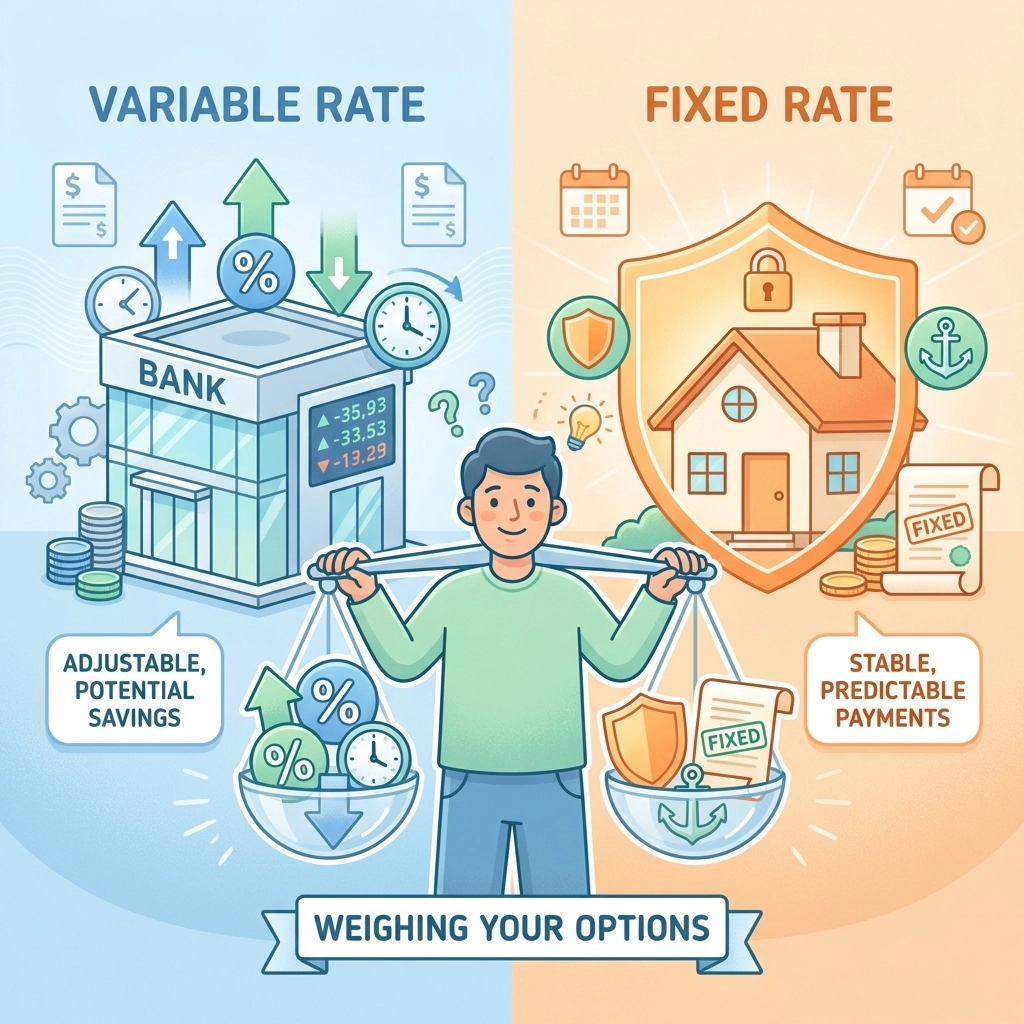
| Monthly Fluctuation Risk | High, 1% increase = $200–$300 more/month |
Smart move: Lock in a fixed-rate package for the first 2-3 years, especially with current rate volatility. This gives you predictable payments while you settle into your new financial rhythm.
When comparing banks, don’t just look at the headline rate. Check:
- Lock-in period penalties
- Repricing fees after fixed period ends
- Partial prepayment terms
- Clawback clauses on subsidies
Step 5: The Big Decision, Sell First or Buy First?
This is where most HDB upgraders get stuck. Both options have trade-offs, and the right choice depends on your cash position and risk tolerance.
Option A: Sell HDB First, Then Buy
Pros:
- Maximum 75% LTV (lower down payment)
- Full sale proceeds available for new purchase
- No dual mortgage stress
- Better TDSR position
Cons:
- Need temporary housing (rental costs $3,000–$5,000/month)
- Risk of property prices rising while you search
- Logistical hassle of moving twice
Option B: Buy Condo First, Sell HDB Later
Pros:
- Seamless transition, move once
- Can renovate new place before moving in
- No rental limbo
Cons:
- Only 45% LTV (massive down payment required)
- Must service two mortgages temporarily
- ABSD applies (refundable if you sell HDB within 6 months)
Jimmy’s take: For most upgraders with moderate cash reserves, selling first is the safer play. Yes, renting for 3-6 months is annoying, but the financing flexibility is worth it. If you’re sitting on significant savings or have family housing options, buying first becomes more viable.
Step 6: Maximise Your CPF Strategically
Your CPF Ordinary Account is your secret weapon for upgrading: but use it wisely.
What CPF can cover:
- Down payment (up to 20% of purchase price)
- Stamp duties
- Monthly mortgage payments
- Legal fees
What you need to know:
- If you own more than one property funded by CPF, your Basic Retirement Sum must remain untouched
- CPF usage is subject to Valuation Limit (VL) and Withdrawal Limit (WL)
- For properties over 30 years old, CPF usage is restricted
Power move: Use CPF for down payment and stamp duties to preserve your cash reserves. You’ll want liquid cash for renovations (budget $30,000–$80,000 for condo upgrades), furniture, and emergency buffers.
For more insights on property investment strategies, check out our guide on best Singapore districts for property investment.
Step 7: Your Complete Upgrade Financing Checklist
Before you sign anything, make sure you’ve ticked these boxes:
Documentation Prep:
- [ ] Latest 3 months payslips
- [ ] Latest income tax Notice of Assessment
- [ ] CPF contribution history (12 months)
- [ ] Outstanding loan statements
- [ ] HDB flat valuation report
Financial Readiness:
- [ ] Emergency fund (6 months expenses) separate from property funds
- [ ] Renovation budget set aside
- [ ] Stamp duty cash ready
- [ ] Buffer for interest rate increases (stress test at +2%)
Strategic Decisions:
- [ ] Sell-first or buy-first decision made
- [ ] Bridging loan options explored (if buying first)
- [ ] ABSD remission timeline understood
- [ ] Mortgage pre-approval obtained

Final Thoughts: Play the Long Game
Upgrading from HDB to condo or EC is one of the biggest financial moves you’ll make. The difference between a well-planned upgrade and a rushed one could be hundreds of thousands of dollars over your loan tenure.
Take your time with the numbers. Get multiple bank quotes. Stress-test your budget against rate hikes. And whatever you do, don’t let FOMO push you into a purchase you can’t comfortably afford.
Your dream condo isn’t going anywhere: but your financial health should always come first.
Looking for more property insights? Explore our 2026 new property launches analysis or browse best areas for property investment in Singapore to make your next move with confidence.
📥 Free HDB Upgrade Mortgage Cheatsheet
Get 5 insider tips to save $10k+ on your condo loan.
Looking for the best deal on this? You can compare cost per application on SingSaver.
Disclosure: NearMe.SG may earn a commission from some links on this page. This does not affect our editorial recommendations.
Compare now →RELATED POSTS
View all


Ultimate Free Guide to Get A Driving License in Singapore
March 3, 2024 | by nearme.sg

Private Driving Instructor Price and Fees: What You Need to Know
March 8, 2024 | by nearme.sg
Singapore Landed Homes Out of Reach Soon? Expert Views
January 18, 2026 | by nearme.sg